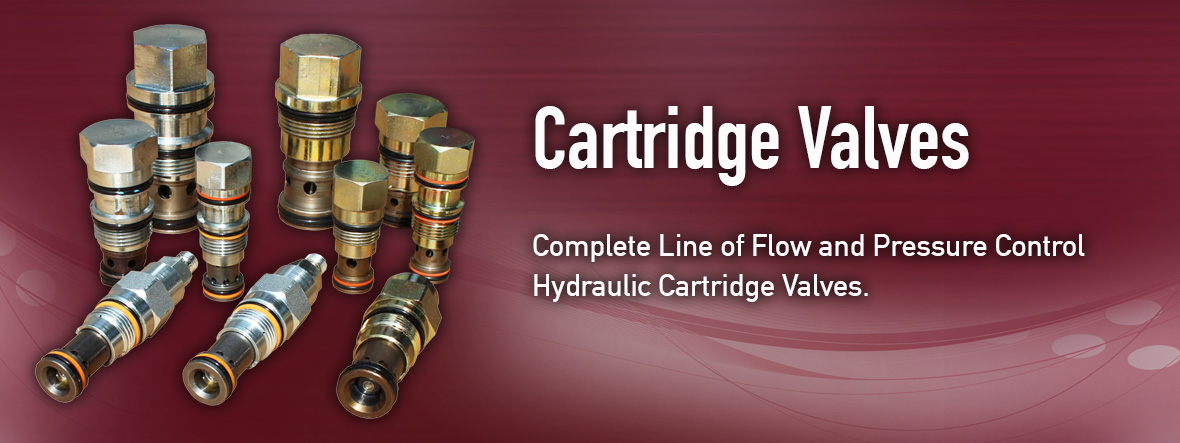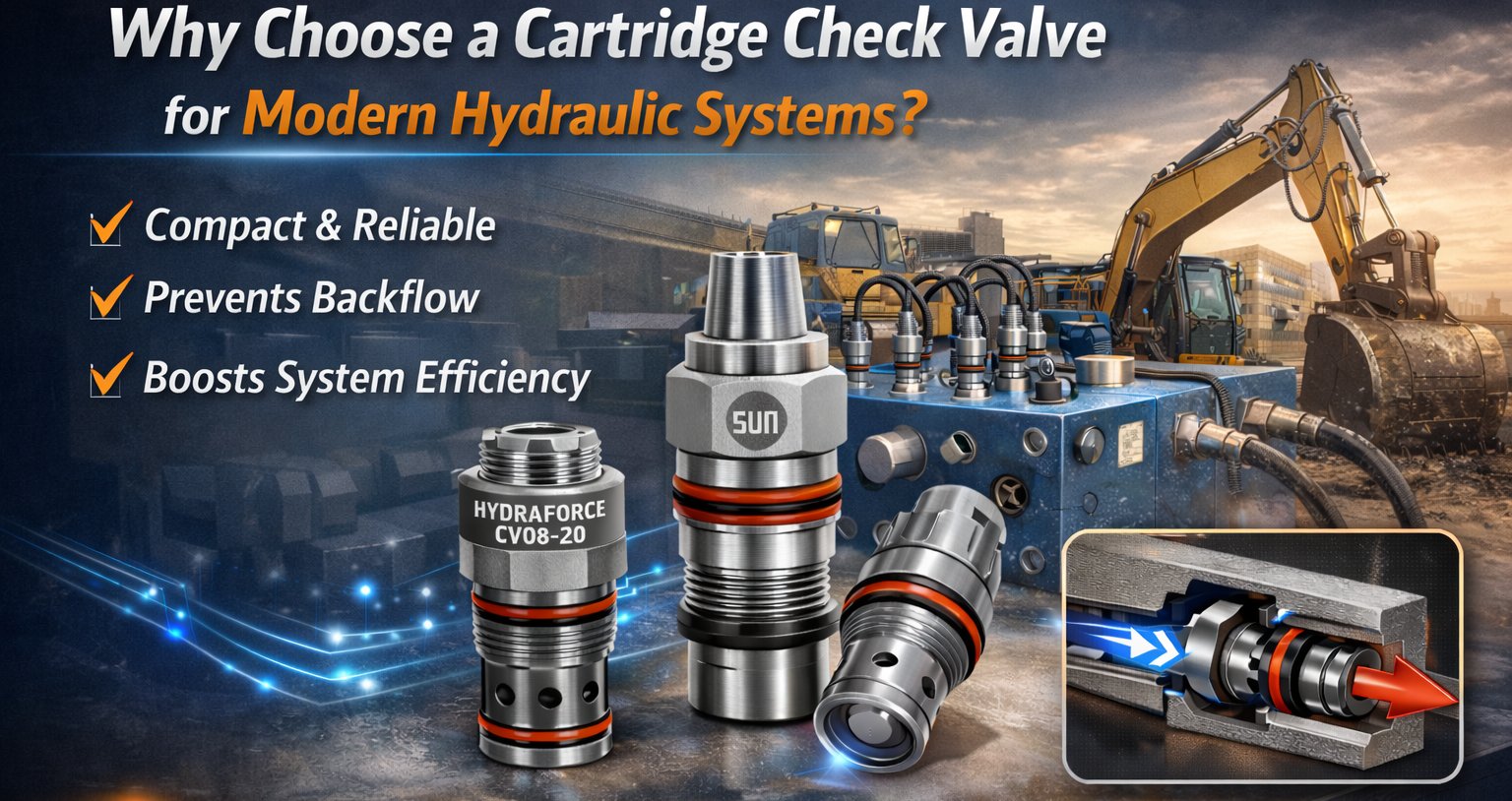
Modular valves are stackable hydraulic control components designed to build compact, flexible, and customizable circuits without complex piping. Each module performs a specific function—such as pressure control, flow control, or directional control—and connects through standardized mounting surfaces. This allows engineers to configure, expand, or service systems easily while reducing leaks, space, and installation time.
Modular Valve
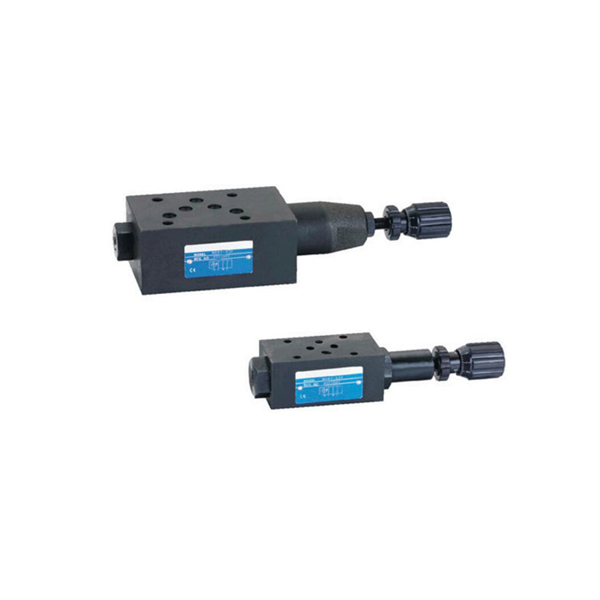
MBRV
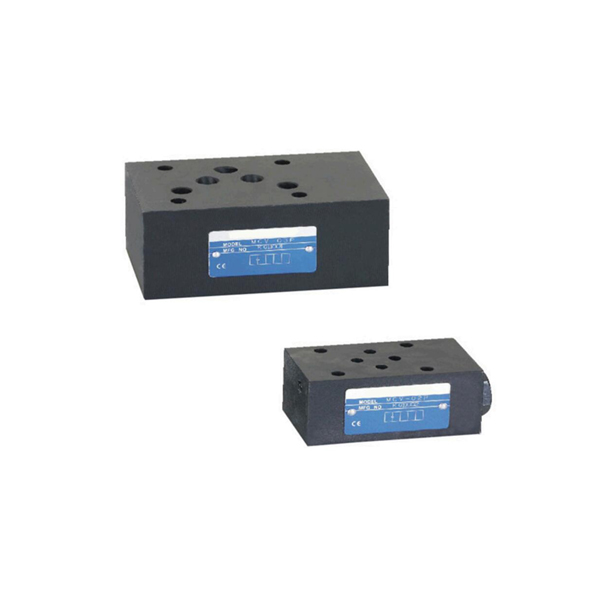
MC
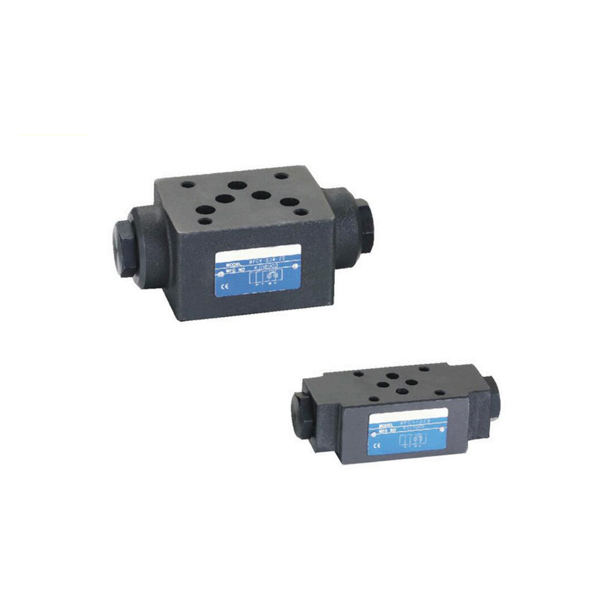
MPCV
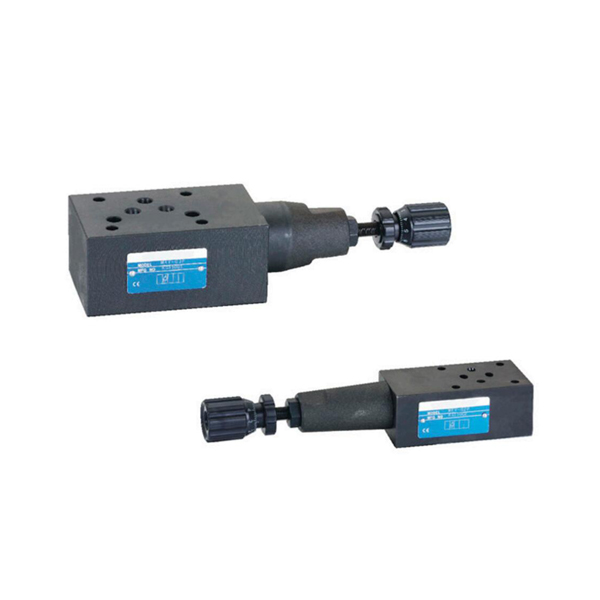
MRV
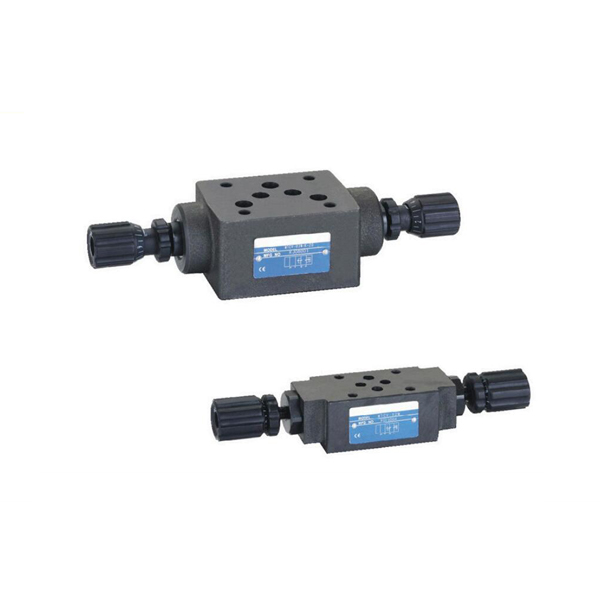
MTCV
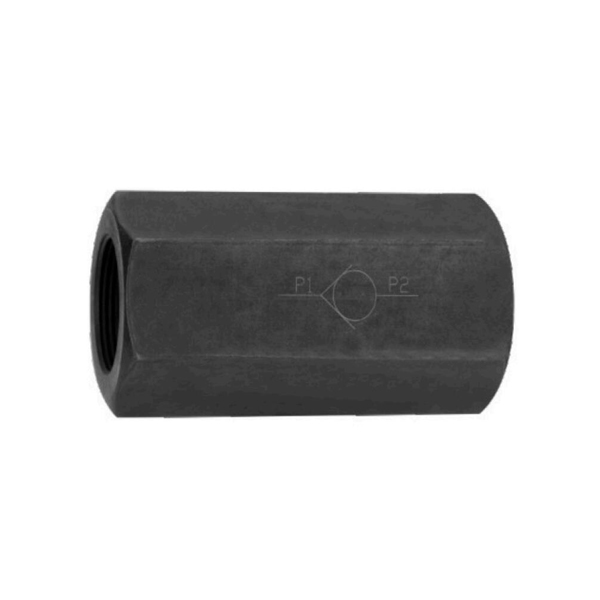
S type inline non return valve
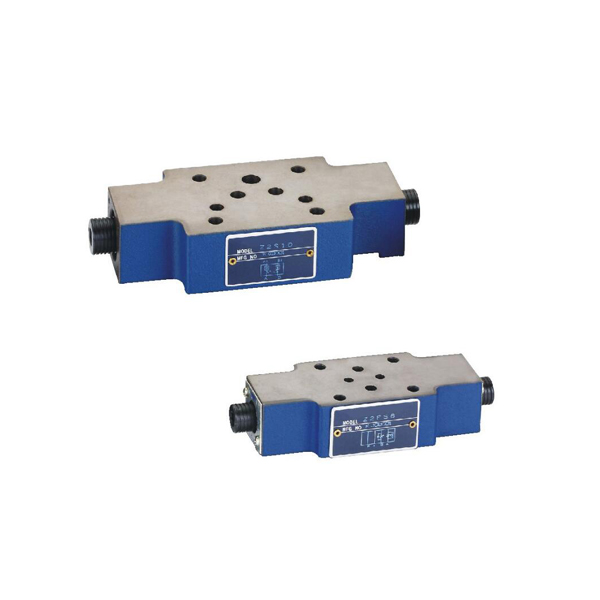
Z2FS
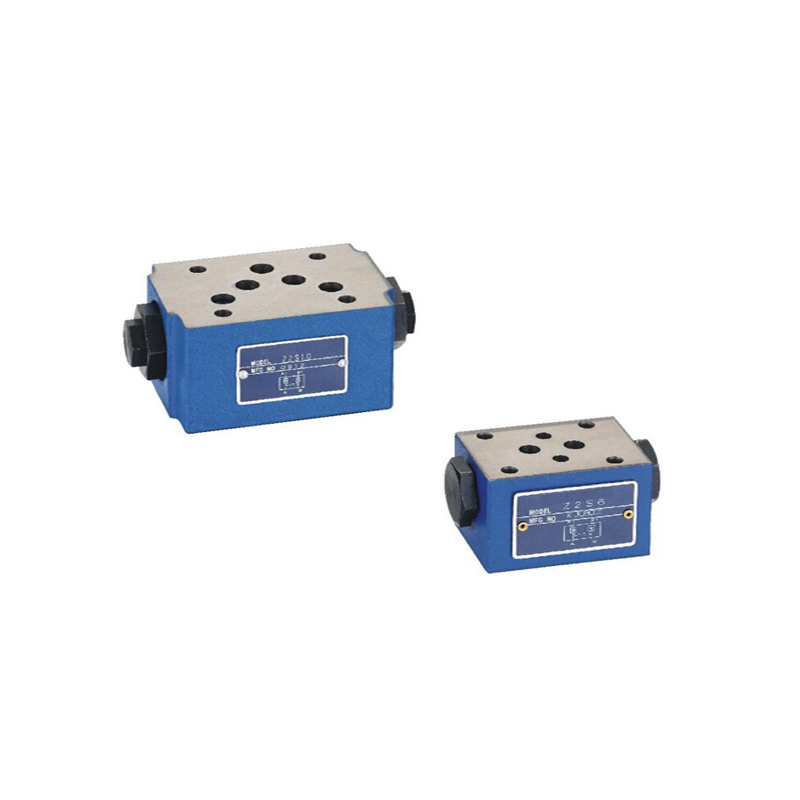
Z2S
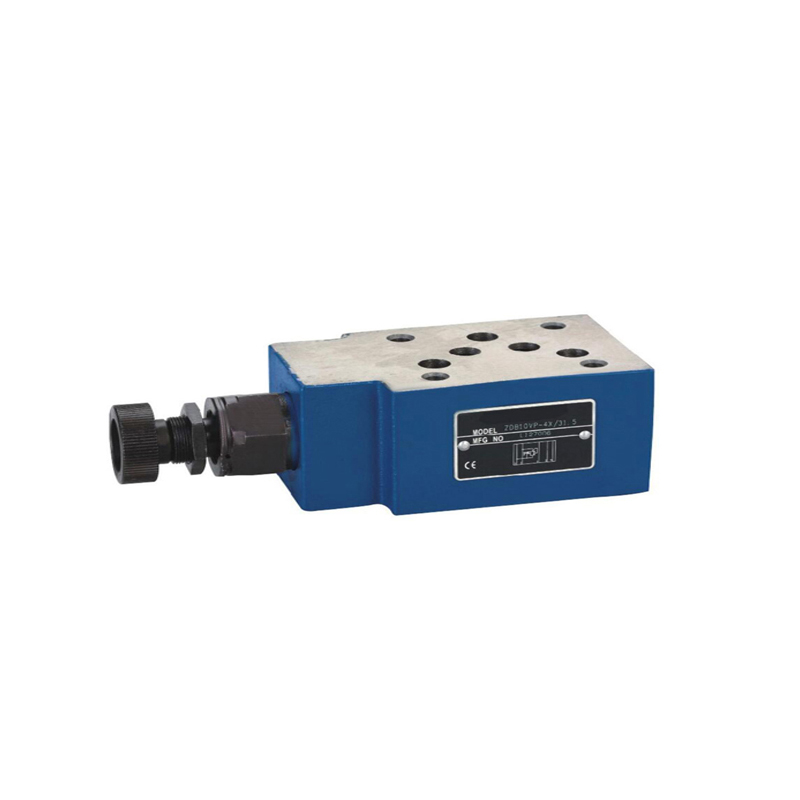
ZDB Z2DB-L4X
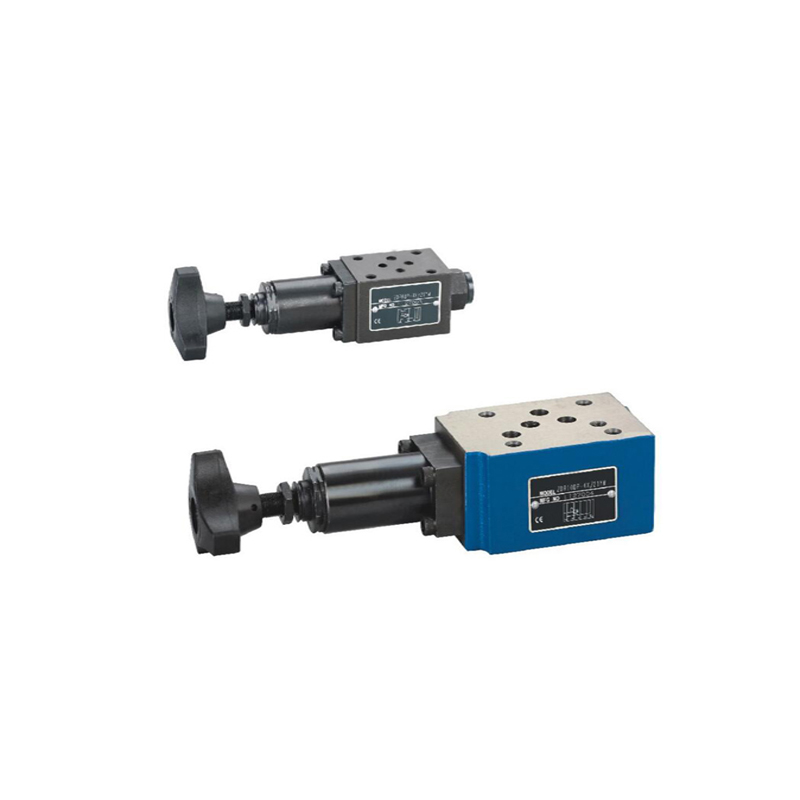
ZDR-30
ZDR-40
What is A Modular Valve ?
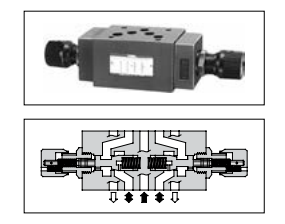
A modular valve, also called a stack valve or sandwich valve, is a type of hydraulic valve designed to be mounted in layers on a manifold or base plate. Each module in the stack performs a specific function—such as pressure control, flow control, or directional control—and all modules are connected internally through standardized ports, allowing multiple control functions to be combined into one compact system without external piping.
Modular Valve Categories
To simplify selection and system design, modular valves are grouped based on their functional roles within a hydraulic circuit. Each category is engineered to address a specific control requirement—whether it is managing pressure stability, adjusting actuator speed, directing oil flow, or preventing backflow. By organizing modular valves into clear categories, users can quickly identify the right combination of functions needed for their application, reduce system complexity, and improve overall efficiency. This structured approach is especially valuable when configuring stacked valve assemblies in compact hydraulic systems. Depending on system requirements, modular valves are typically divided into pressure control, flow control, and check functions. Modular valves are typically classified based on their function within a hydraulic system, mainly including pressure control, check control, and functional control modules.
Pressure Control Modular Valves
Pressure control modules are essential for protecting and stabilizing hydraulic systems by managing pressure levels in specific circuits.
Modular Check Valves
This type of valve allows hydraulic fluid to flow in one direction while preventing reverse flow. It plays a critical role in maintaining load stability and preventing pressure loss in hydraulic systems.
Modular check valves are commonly used in applications where holding pressure or preventing backflow is essential
Modular Flow Control Valves
This category refers to functional modules that help manage system logic and operation, such as controlling flow paths, sequencing actions, or assisting directional control.
Rather than representing a single valve type, modular control valves are a flexible group of components that support system customization and improve operational efficiency.
How to Choose the Right Modular Valve?
Choosing the right modular valve is essential to ensure the efficiency, safety, and stability of your hydraulic system. Because modular valves are designed to be stacked and combined, selecting the correct type is not just about a single function, but about how each module works together within the overall circuit. Factors such as system pressure, flow requirements, installation standards, and functional needs all play a critical role. A well-matched configuration can improve performance, reduce energy loss, and simplify future maintenance, while an incorrect selection may lead to system instability or unnecessary complexity.
Modular Valve FAQ

Contact Us

Interested in our products, pricing, MOQ, or customized solutions? Fill out the form below to submit your inquiry or request a quote, and our team will get back to you within 24 hours.