The BSTIND 4WEH directional control valve is a high-performance pilot-operated hydraulic solenoid valve designed for precise control of flow direction in high-pressure and heavy-duty hydraulic systems. Unlike standard direct-acting valves, the 4WEH series is engineered for systems requiring higher flow capacity, stable switching under pressure, and enhanced hydraulic amplification performance.
BSTIND manufactures 4WEH valves as a high-quality alternative to Bosch Rexroth 4WEH series, ensuring full compatibility in installation, hydraulic performance, and system integration.
Engineering Compatibility with Rexroth 4WEH Series
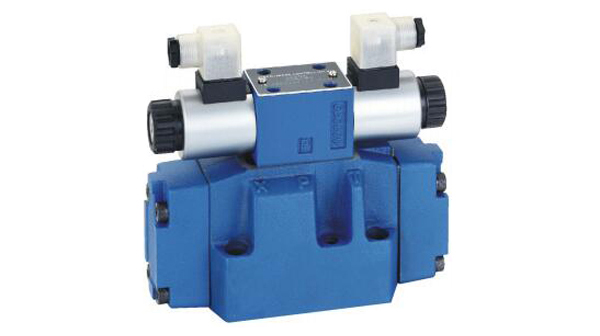
In industrial applications, users searching for Rexroth 4WEH or 4WEH Rexroth directional control valves are typically working with high-pressure hydraulic systems that require stable pilot control and reliable switching behavior.
BSTIND 4WEH valves are designed to match these requirements with full structural and functional compatibility.
BSTIND 4WEH valves conform to industry-standard mounting interfaces used in Rexroth systems:
- ISO mounting standards for hydraulic manifolds
- Identical installation geometry
- Fully compatible port layout
This ensures direct replacement of Rexroth 4WEH valves without modifying the hydraulic system structure.
The 4WEH series is widely used in systems requiring pilot-operated control due to its ability to handle higher flow rates and pressure stability.
BSTIND valves are engineered to provide:
- Stable pilot control operation
- Reduced pressure loss in flow paths
- Reliable switching under high-load conditions
BSTIND supports standard industrial solenoid configurations used in Rexroth systems, ensuring seamless integration in both new and replacement applications.
4WEH Valve Dimensions & Technical Drawing
4WEH valves are electro-hydraulic directional control valves commonly used in industrial hydraulic systems to precisely control oil flow direction, start/stop functions, and circuit switching. They are widely applied in heavy machinery, presses, injection molding equipment, and automation systems where high reliability and stable performance are required.
From a structural perspective, a 4WEH valve typically consists of a main valve body, spool assembly, pilot control stage, and solenoid actuators. Due to its modular and high-precision design, installation must strictly follow the official technical drawing and dimensional specifications to ensure correct mounting and system compatibility.
4WEH Hydraulic Directional Valve Parameter
4WEH Hydraulic Directional Valve Features
– Rexroth 4WEH Electro Hydraulic Operated Directional Control Valves can be used to control open &close the direction of fluid flow.
4WEH directional valve can be applied on Plastic Injection machine and hydraulic power,working pressure of Pilot Operated Electro-hydraulic Directional Valve is high and flow is large.As you know,common solenoid directional valve flow can not satisfy large flow hydraulic system,the best choice is 4WEH Rexroth directional valve.If you have any question,please email sales@best-hydraulic.com or call us 86-574-87454979,thanks!
Spool Symbols: 2 Spool Positions
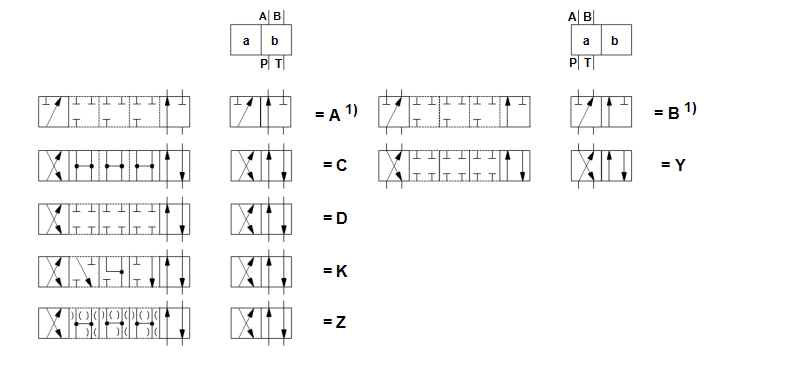
1)Only for NG10 and 25 (4WH 22)
If operating pressure > tank pressure, port T must be used as leakage port!
2)Example:
Symbol E with actuating side “a” → ordering code ..EA
3)Spool symbol S for NG16 only
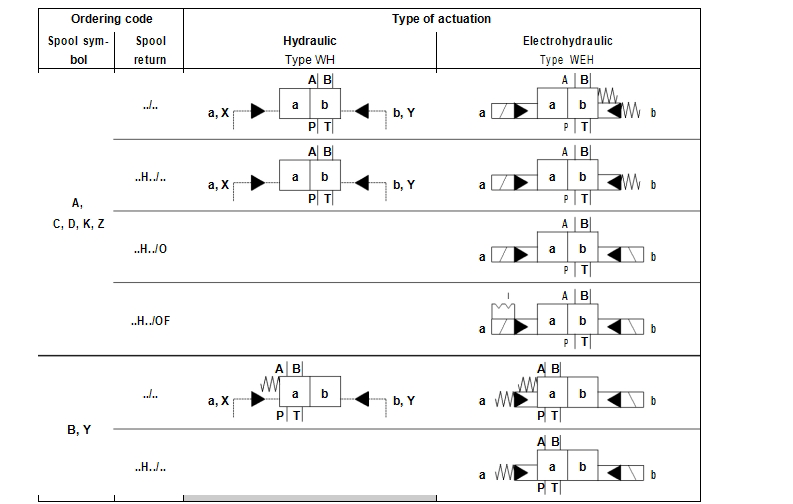
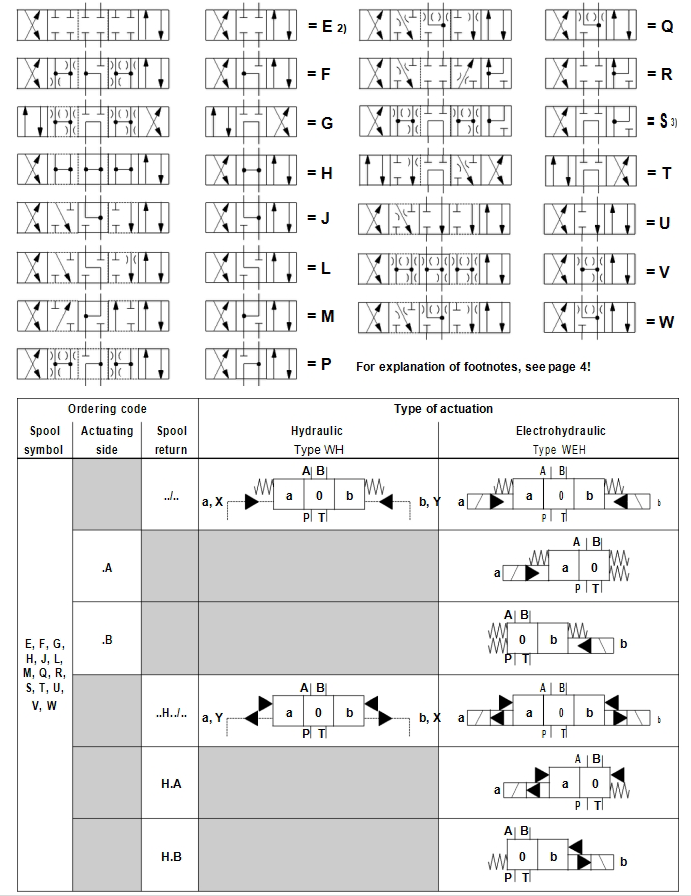
Spool Symbols: 3 Spool Positions
Symbols for Valves with 2 Spool Positions
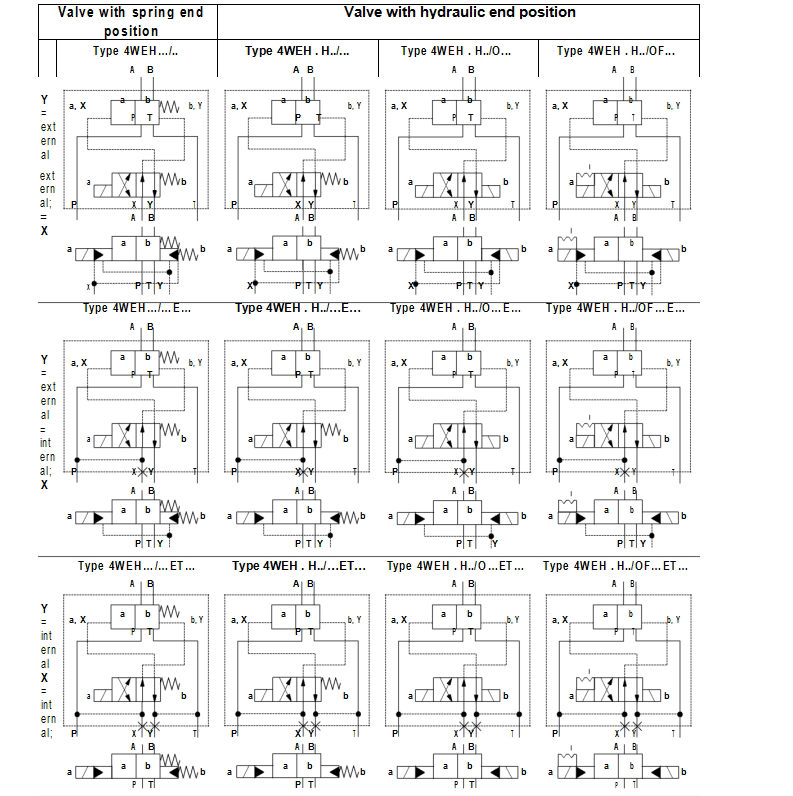
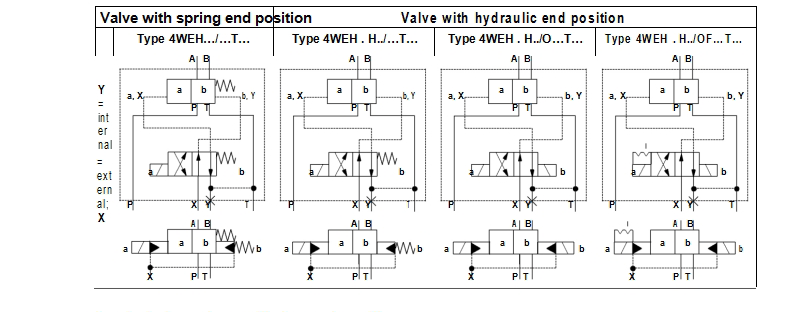
Symbols for 4WEH Rexroth valves with 2 spool positions
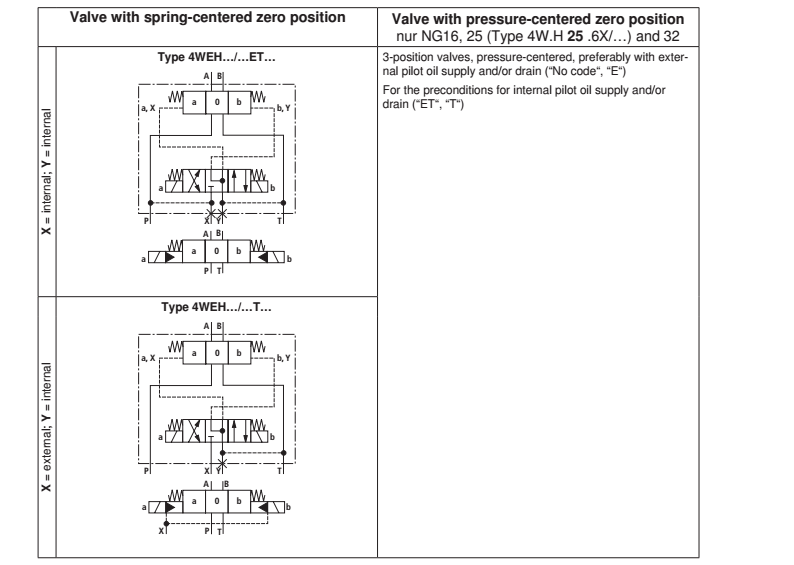
Symbols for Rexroth 4WEH valves with 3 spool positions
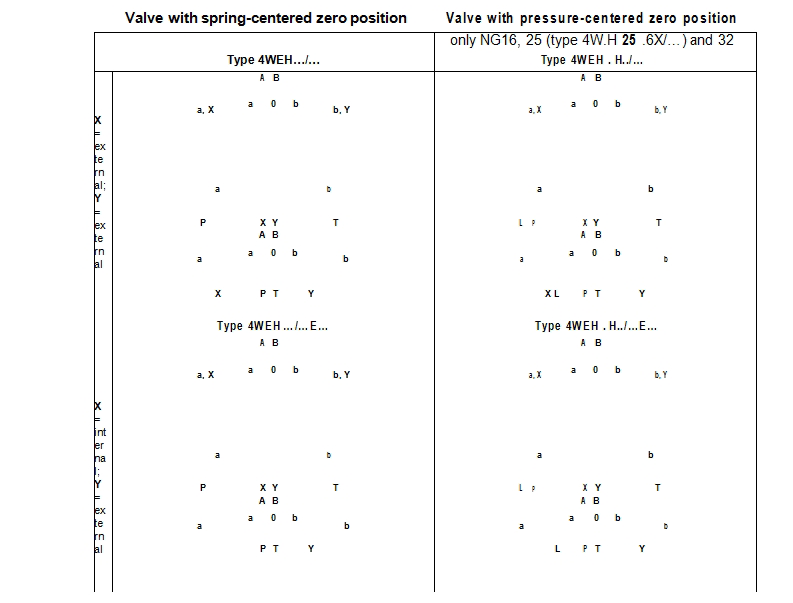
Symbols for valves with 3 spool positions
Free flow cross-sections in zero position with spool Q,V and W
| Size | NG | 10 | 16 | 25 4W.H 22 | 25 4W.H 25 | 32 |
|---|---|---|---|---|---|---|
| Spool Q A – T;B – T | mm2[inch2] | 13[0.02] | 32[0.05] | 78[0.121] | 83[0.129] | 78[0.121] |
| Spool V P – A;P – B | mm2[inch2] | 13[0.02] | 32[0.05] | 73[0.113] | 83[0.129] | 73[0.113] |
| Spool V A – T;B – T | mm2[inch2] | 13[0.02] | 32[0.05] | 84[0.13] | 83[0.129] | 84[0.13] |
| Spool W A – T;B – T | mm2[inch2] | 2.4[0.004] | 6[0.009] | 10[0.015] | 14[0.022] | 20[0.031] |
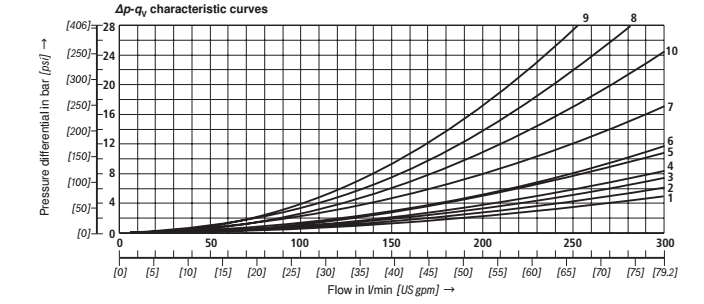
Characteristic curves(measured with HLP46,θoil = 40℃±5℃ [104℉ ± 9℉]
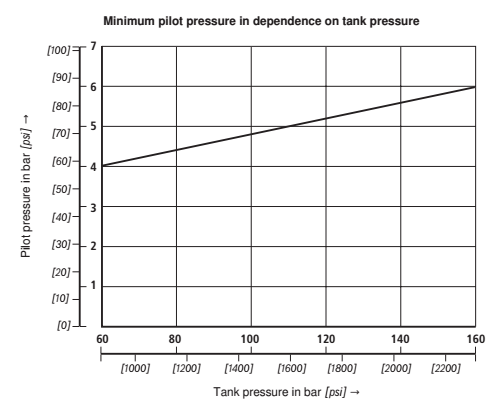
At a higher tank pressure the minimum pilot pressure must be raised in accordance with this diagram.
Characteristic curves NG10 (measured with HLP46,θoil = 40℃±5℃ [104℉ ± 9℉])
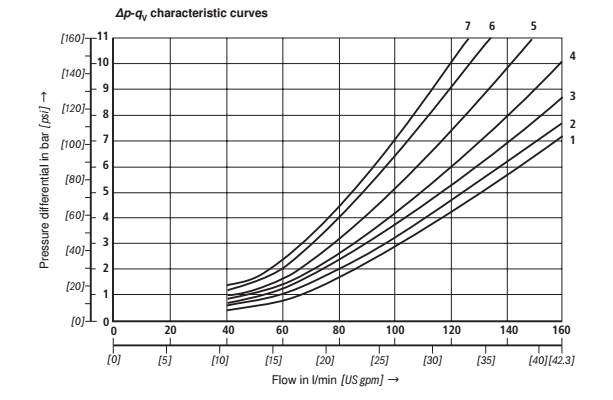
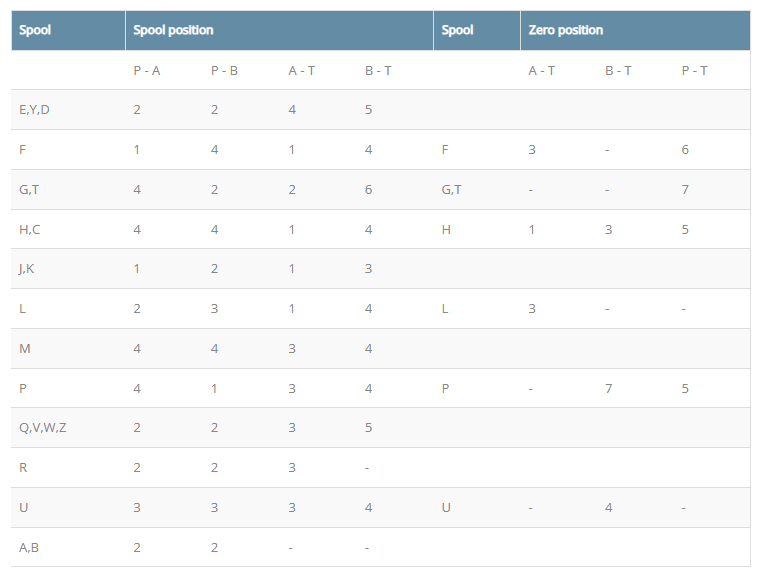
Characteristic curves: NG16 (measured with HLP46,θoil = 40℃±5℃ [104℉ ± 9℉])
Performance limits: NG16 (measured with HLP46,θoil = 40℃±5℃ [104℉ ± 9℉])
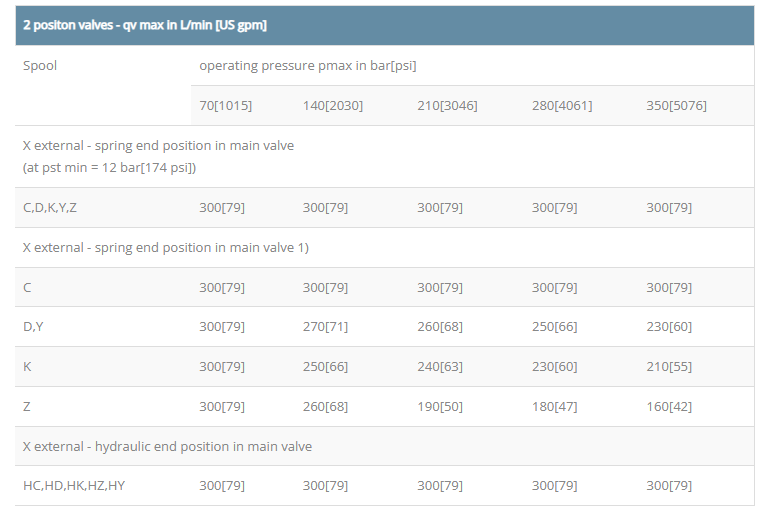
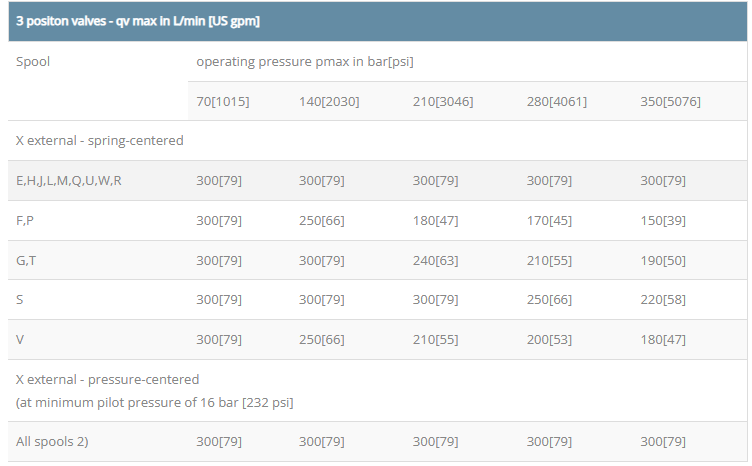
Attention!
1)When the specified flow values are exceeded, the function of the return springs can no longer be guaranteed in the event of a pilot pressure failure!
2)With spool V, the pilot valve is not required in the case of flows > 160 L/min [42 US gpm].
Characteristic curves: NG25 (type W.H 22)(measured with HLP46,θoil = 40℃±5℃ [104℉ ± 9℉])
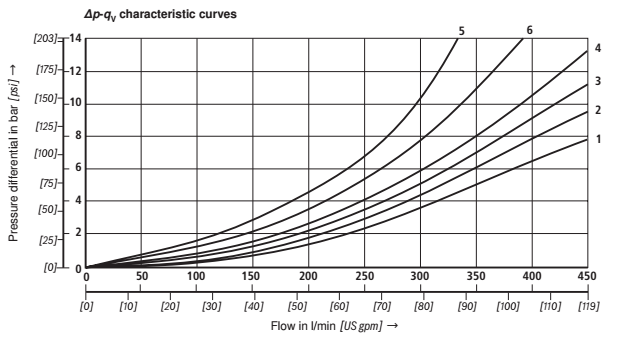
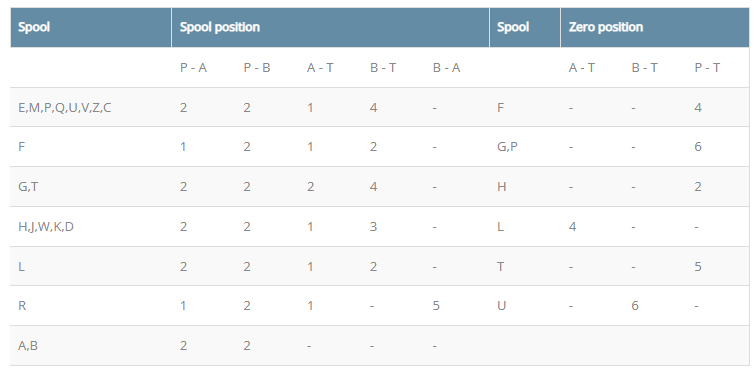
Characteristic curves: NG25 (type W.H 25)(measured with HLP46,θoil = 40℃±5℃ [104℉ ± 9℉])
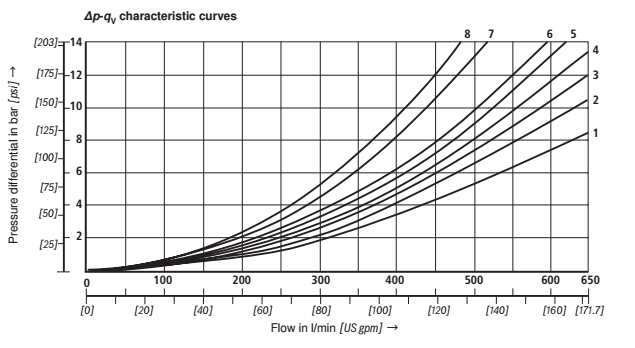
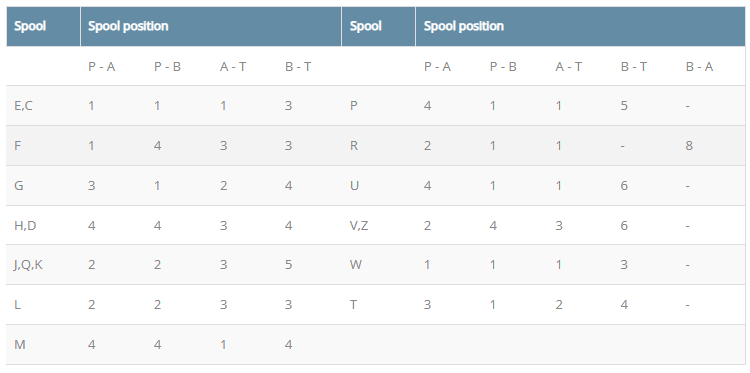
7 Spool G, central position P – T
8 Spool T, central position P – T
Characteristic curves: NG32 (measured with HLP46,θoil = 40℃±5℃ [104℉ ± 9℉])
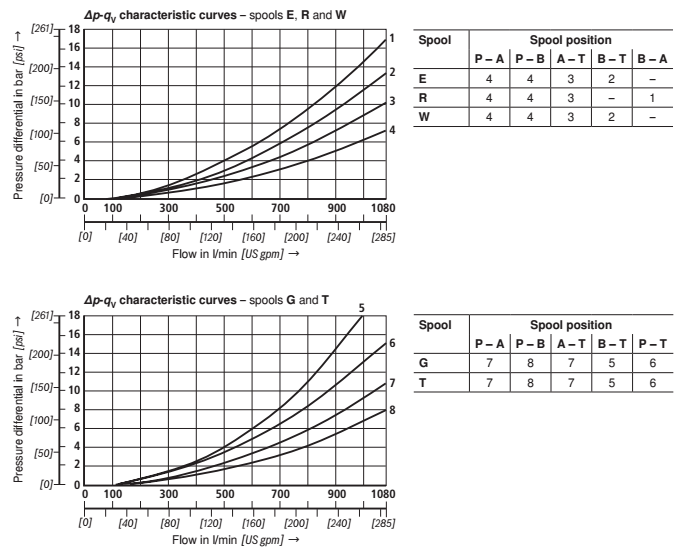
WE-H10 Outline and Installation Dimensions
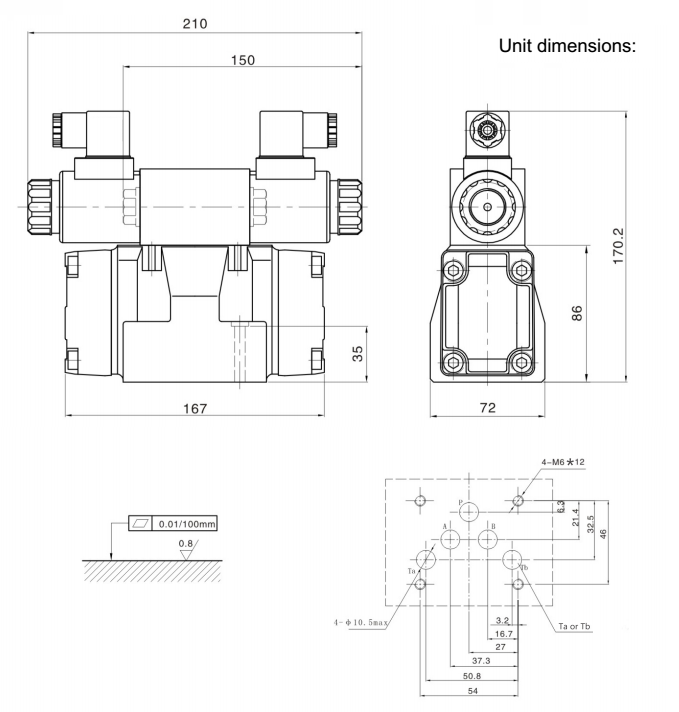
WE-H16 Outline and Installation Dimensions
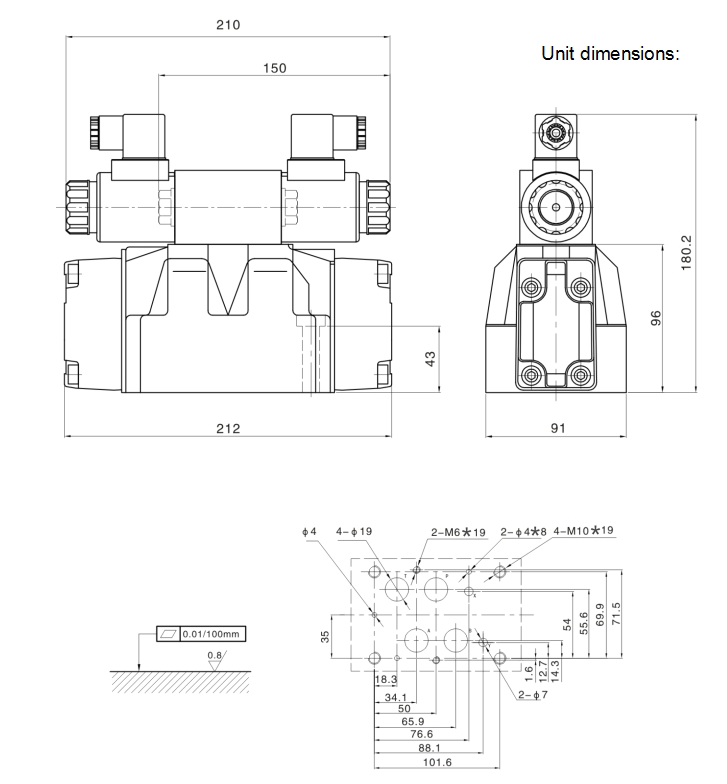
WE-H25 Outline and Installation Dimensions
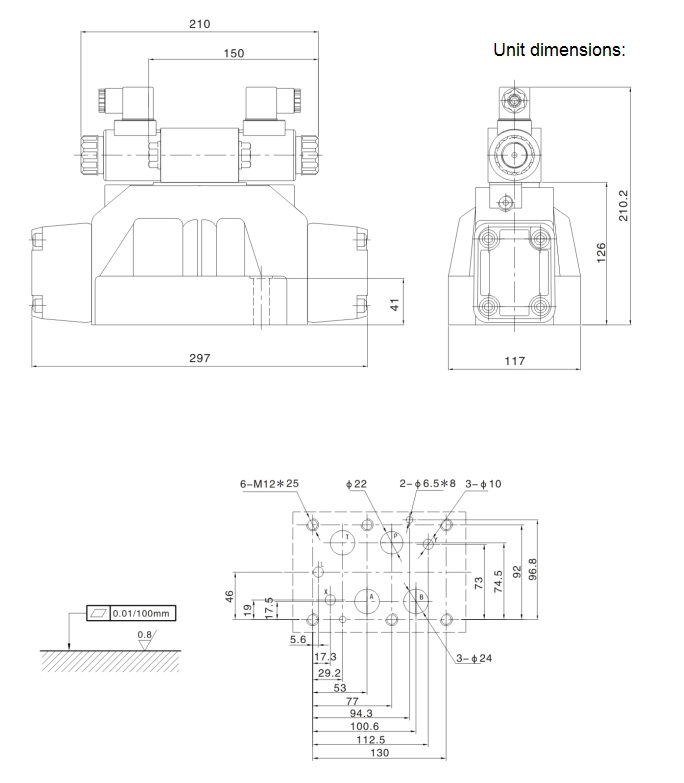
WE-H32 Outline and Installation dimensions
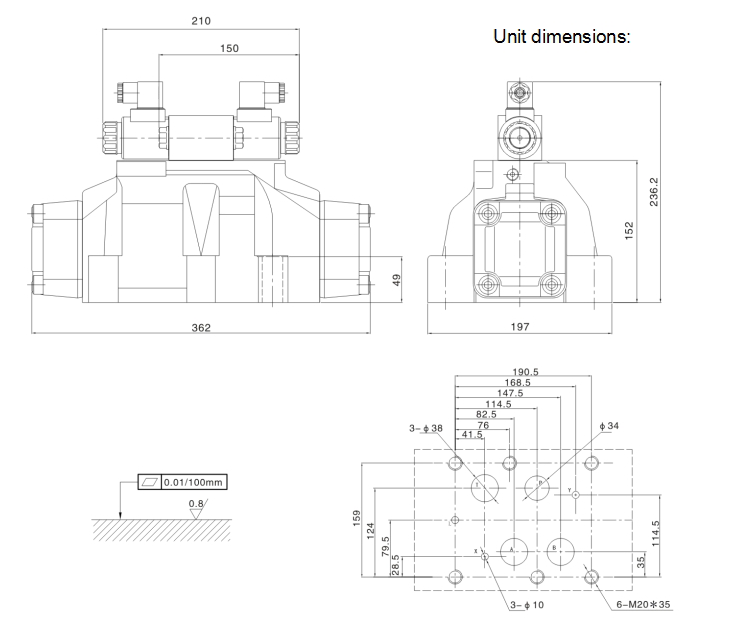
Key Dimensional Features (Engineering Overview)
When reading a 4WEH technical drawing, the following dimensions and structural elements are critical:
Engineering Importance
Accurate understanding of 4WEH valve dimensions is essential because it directly impacts:
- System installation compatibility
- Hydraulic pressure loss and flow efficiency
- Switching response time
- Subplate and manifold design accuracy
- Maintenance accessibility and replacement planning
Full Model Coverage (4WEH Series)
BSTIND provides a full range of 4WEH directional control valves for different hydraulic system requirements.
4WEH16 Series (Medium Flow Applications)
The 4WEH16 valve is widely used in medium-pressure industrial systems requiring stable pilot control. Common configurations include:
- 4WEH16
- 4WEH16 Rexroth equivalent models
- 4WEH16 standard hydraulic control versions
👉 Frequently referenced in 4WEH16 Rexroth PDF documentation for replacement and system design.
4WEH22 Series (High Flow Applications)
The 4WEH22 series is designed for higher flow and more demanding hydraulic systems. Typical applications include:
- Heavy machinery
- Large hydraulic power units
- Industrial press systems
Common reference model:
- 4WEH22 Rexroth
- BSTIND equivalent 4WEH22 hydraulic valves
Why 4WEH Series Requires Pilot Operation?
This makes it ideal for industrial systems where reliability under continuous operation is critical. The 4WEH series is designed with a pilot-operated structure, meaning the main spool is not shifted directly by the solenoid force alone. Instead, a small pilot valve first controls hydraulic pressure, which then moves the main spool. This design is fundamentally different from direct-acting valves such as the 4WE6 or 4WE10 series. By separating control force from main flow operation, the system achieves higher stability and efficiency, especially in demanding hydraulic environments.
Pilot operation is used in the 4WEH series because it significantly improves hydraulic performance in high-demand systems:
How to Select the Right 4WEH Valve?
This makes it ideal for industrial systems where reliability under continuous operation is critical. The 4WEH series is designed with a pilot-operated structure, meaning the main spool is not shifted directly by the solenoid force alone. Instead, a small pilot valve first controls hydraulic pressure, which then moves the main spool. This design is fundamentally different from direct-acting valves such as the 4WE6 or 4WE10 series. By separating control force from main flow operation, the system achieves higher stability and efficiency, especially in demanding hydraulic environments.
Pilot operation is used in the 4WEH series because it significantly improves hydraulic performance in high-demand systems:
4WEH Valve Applications
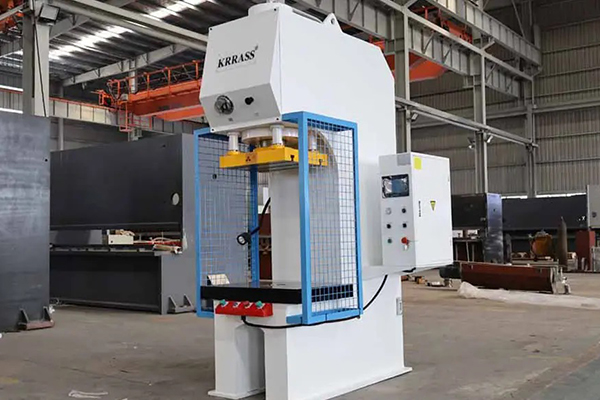
Press Machinery
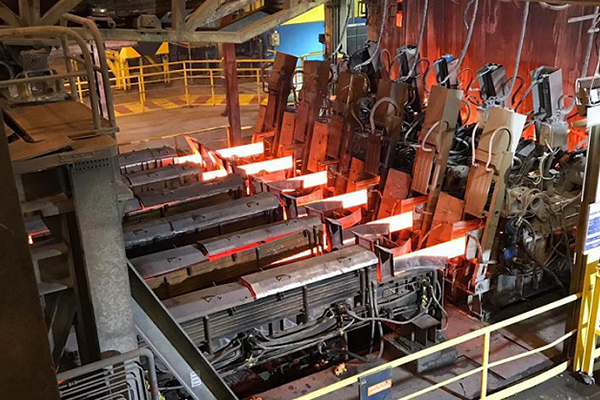
Continuous Caster
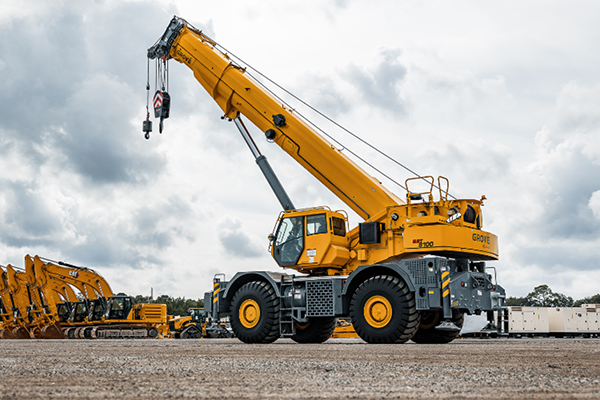
Truck Crane
Common Issues & Replacement Reasons
In long-term industrial operation, 4WEH valves are exposed to continuous pressure cycles, oil contamination risks, and frequent switching actions. Over time, these working conditions can gradually affect sealing performance, spool movement accuracy, and overall system response stability.
Why Choose BSTIND?
BSTIND products are engineered to match the same performance level as Bosch Rexroth 4WEH series, providing a reliable alternative for global industrial users.