4WE6 Directional Valves
The BSTIND 4WE6 directional control valve is an industrial-grade NG6 (CETOP 3) hydraulic solenoid valve developed for precise and reliable control of fluid direction in high-performance hydraulic systems.
As a specialized hydraulic valve manufacturer, BSTIND designs and produces 4WE6 series valves as a fully engineered alternative to Bosch Rexroth 4WE6, ensuring compatibility not only in installation dimensions but also in internal flow characteristics, switching behavior, and long-term durability.
Unlike generic replacement products, BSTIND focuses on functional equivalence at the engineering level, making our valves suitable for both OEM integration and maintenance replacement scenarios.
Engineering Compatibility with Rexroth 4WE6
The BSTIND 4WE6 valve is designed based on internationally recognized hydraulic interface standards, ensuring seamless interchangeability. This ensures that BSTIND 4WE6 valves can directly replace existing Rexroth installations without redesigning the hydraulic system.
- Conforms to ISO 4401-03 / CETOP 3 mounting interface
- Identical port layout (P, A, B, T)
- Same bolt pattern and sealing interface
- Equivalent nominal flow capacity (up to 80 L/min)
- Optimized pressure drop characteristics
- Stable switching under high-pressure conditions (up to 350 bar)
- Supports standard coil types (DC & AC)
- Compatible connector formats (DIN, central plug)
- Optional manual override design
4WE6 Valve Dimensions & Technical Drawing
The dimensional design strictly follows NG6 standards, which are widely used across global hydraulic systems. Typical compatible configurations include:4WE6D6X EG24N9K4 / 4WE6J62 EG24N9K4 / 4WE6E62 EG24N9K4
Key Engineering Notes
Installation Advantages
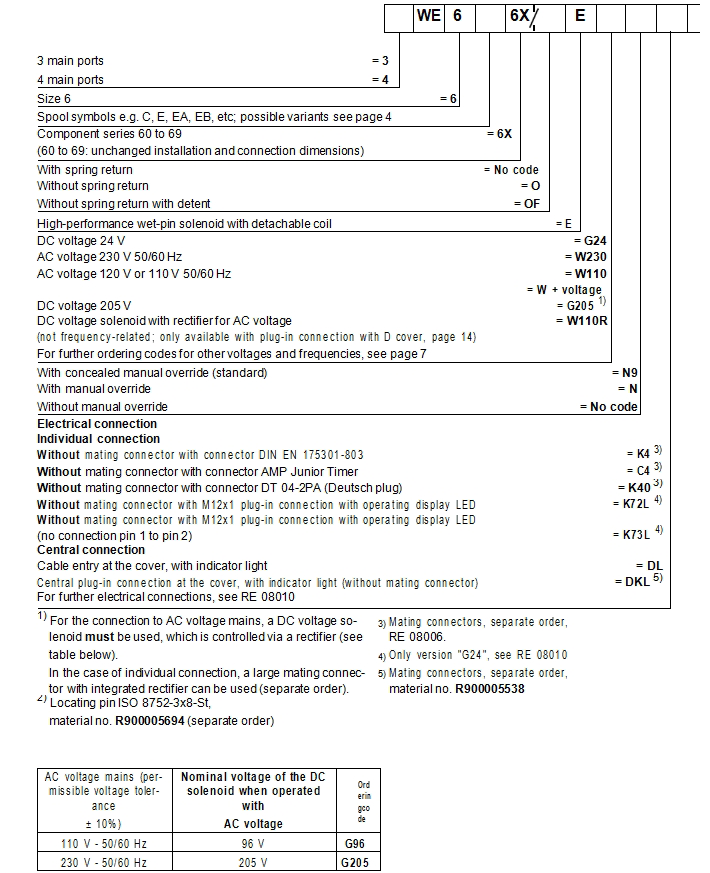
4WE6 Hydraulic Solenoid Valve Ordering Code
4WE6 Hydraulic Solenoid Valve Symbol
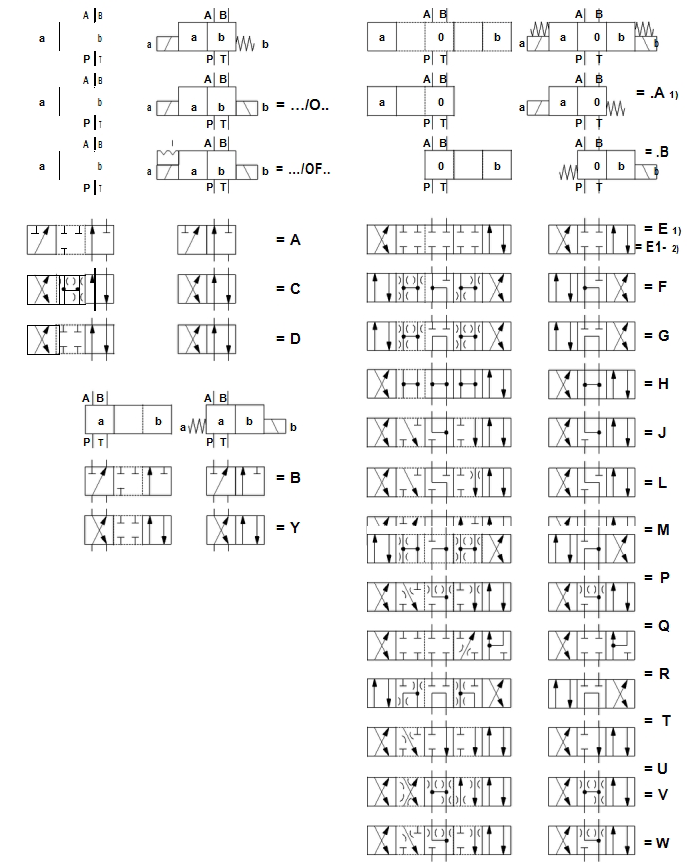
1)Example:
Spool symbol E with spool position “a”, ordering code ..EA..
2)Symbol E1-: P-A/B pre-opening,
Caution in conjunction with single-rod cylinders due to pressure intensification!
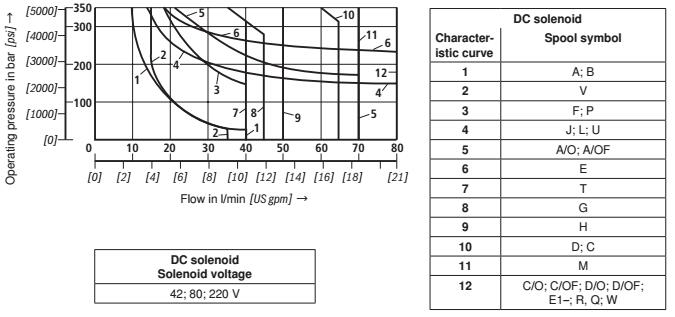
Performance limits(measured with HLP46 θoil = 40℃±5℃ [104℉±9℉])
Attention! The specified switching performance limits are valid for operation with two directions of flow(e.g. from P to A and simultaneous return flow from B to T).
Due to the flow forces acting within the 4WE6 Rexroth valves,the permissible switching performance limits may be considerably lower with only one direction of flow(e.g. from P to A while port B is blocked)!
In such cases, please contact us!
The switching performance limit was establised while the solenoids were at operating temperature, at 10% undervoltage and without tank pre-loading.
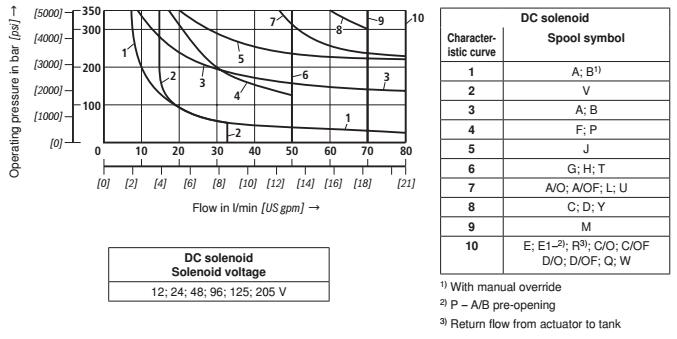
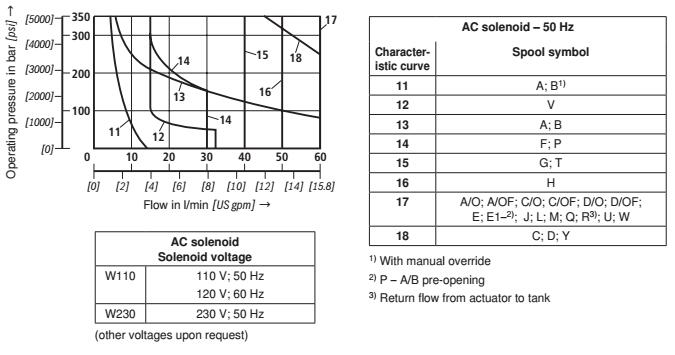
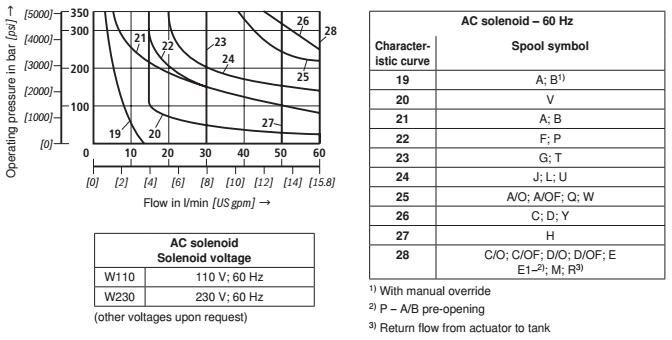
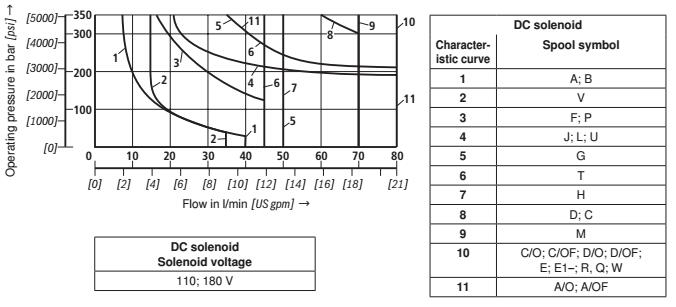
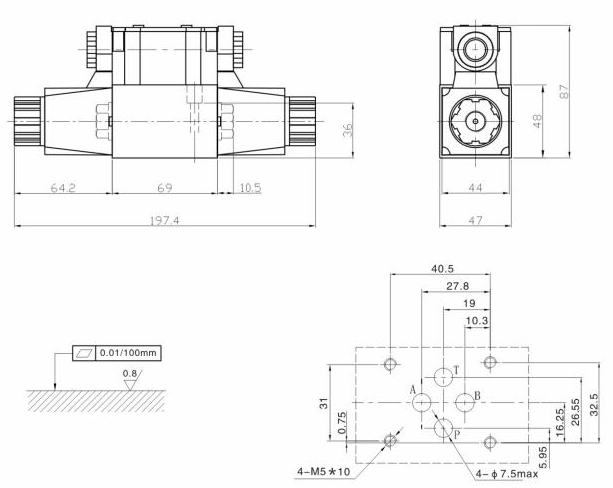
4WE6E-A220-B Outline and installation dimensions
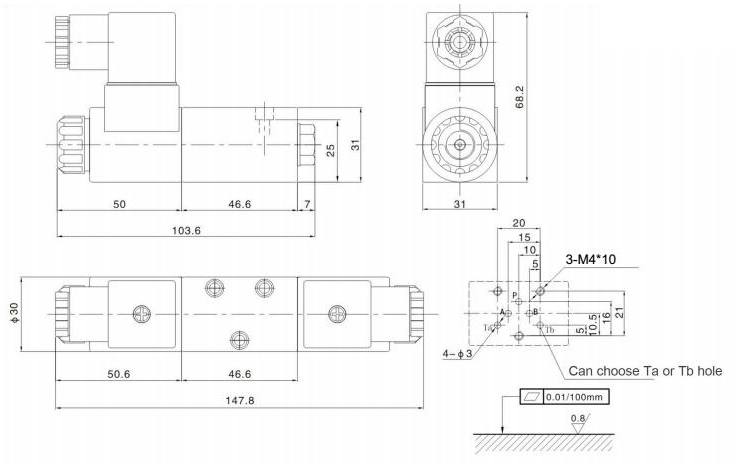
4WE3-61 Outline and installation dimensions
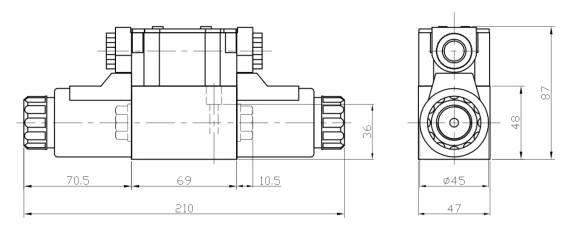
4WE6E-D24-B Outline and installation dimensions
4WE6-AC-H Outline and installation dimensions
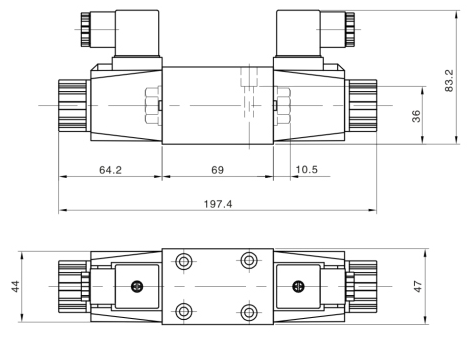
4WE6-DC-H Outline and installation dimensions
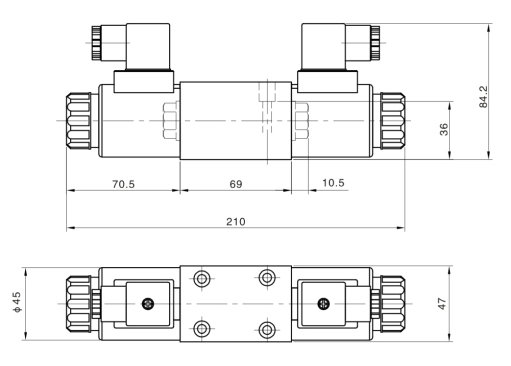
Internal Design & Performance Optimization
To ensure long-term reliability, BSTIND optimizes internal valve structure beyond basic compatibility.
- High-accuracy cylindrical grinding
- Tight clearance control for reduced internal leakage
- Improved response consistency
- Reduced turbulence inside valve body
- Lower pressure loss compared to standard designs
- Enhanced energy efficiency
- Hardened spool and valve body
- Anti-wear coating options available
- Suitable for high-frequency switching environments
- Fast response solenoid system
- Stable magnetic force output
- Designed for continuous duty cycles
Full Model Range & Configuration Flexibility
BSTIND offers complete coverage of 4WE6 configurations to meet various hydraulic circuit designs.
Spool Function Variants (Core Selection Factor)
The spool type is one of the most important factors when selecting a directional control valve, as it determines how hydraulic flow is routed within the system. Different spool variants of the 4WE6 series are designed to support different circuit functions such as starting, stopping, reversing, and unloading operations. Common spool function variants include:
Typical Configurations
| 4WE6D6X EG24N9K4 | 4WE6D61 EG24N9K4 | 4WE6D62 EG24N9K4 | 4WE6J62 EG24N9K4 |
| 4WE6J6X EG24N9K4 | 4WE6J61 EG24N9K4 | 4WE6E62 EG24N9K4 | 4WE6E6X EG24N9K4 |
| 4WE6H6X EG24N9K4 | 4WE6G6X EG24N9K4 | 4WE6Y6X EG24N9K4 |
Electrical Options
4WE6 Model Code Explanation
Correct interpretation of model codes is essential for ensuring functional compatibility.Misinterpreting any of the following parameters may lead to incorrect valve selection and system failure. Example: 4WE6D6X EG24N9K4
Hydraulic Solenoid Valve Technical Specifications
Hydraulic Solenoid Valve Application Scenarios
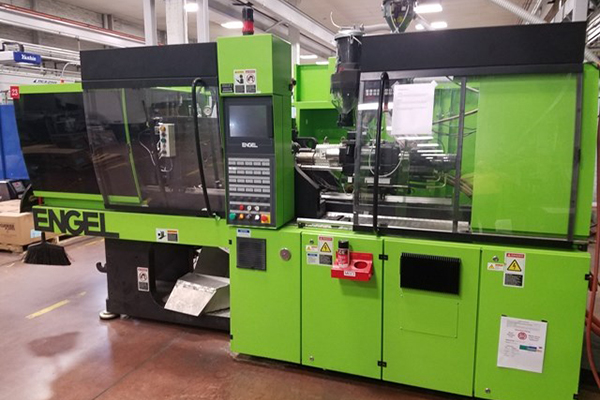
Injection Molding Machines
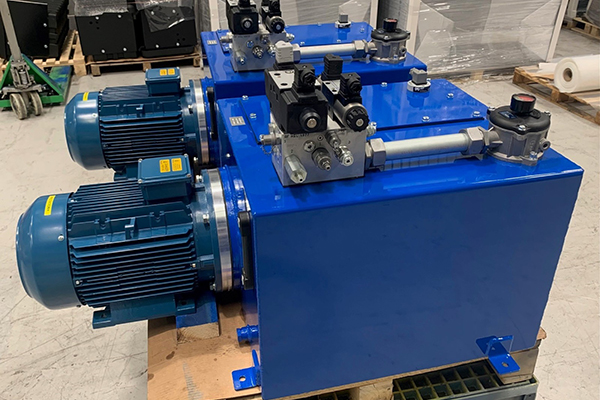
Hydraulic Power Units
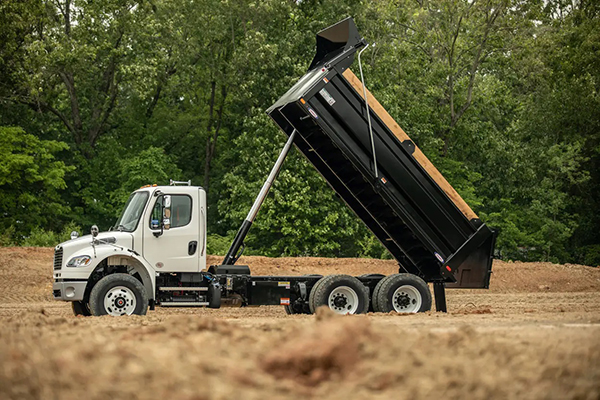
Dump Trucks
Common Failure Modes & Replacement Strategy
In hydraulic directional control valves like the 4WE6 series, performance degradation is usually caused by spool wear, contamination, coil failure, or hydraulic pressure instability. These issues can lead to slow switching response, internal leakage, or complete loss of directional control. Identifying failure modes early helps prevent system downtime and avoids secondary damage to pumps or actuators.
Common Failure Modes
Replacement Strategy
Model Selection Support
Selecting the correct 4WE6 valve model requires matching the spool type, voltage specification, and hydraulic circuit requirements. Different configurations determine how the valve behaves in neutral position, switching response, and system compatibility. Proper selection ensures stable operation, prevents system mismatch, and extends service life. Accurate model selection ensures the valve integrates correctly into the hydraulic system and performs reliably under real working conditions. Key selection parameters include: